

The Unseen Side of British Horse Racing: What Happens When the Races are Not On
British horse racing is a sport rich in history, tradition, and excitement. It’s a spectacle that captivates millions of fans and punters alike. However, there are times when the races are not taking place due to unforeseen circumstances, be it unfavorable weather, safety concerns, or other disruptions. During these times, the entire ecosystem surrounding horse racing shifts. One notable aspect of this is the work of organizations like British horse racing not on GamStop Merseyside Mounted, which provides essential support and community engagement even when races are cancelled.
The Rich History of British Horse Racing
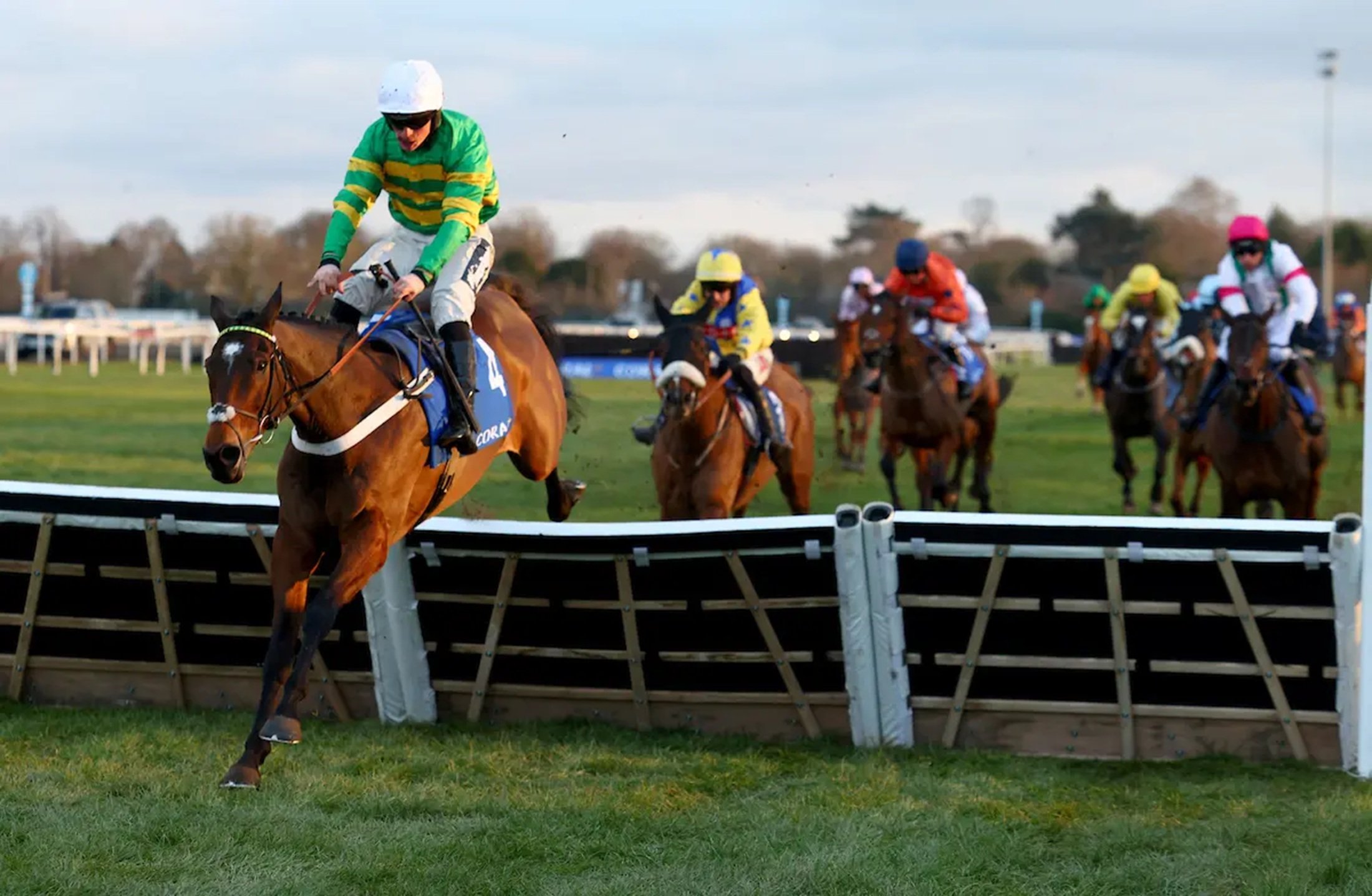
British horse racing, often referred to as “the sport of kings,” has roots that trace back over 400 years. Featured prominently in English culture, racing has evolved into a highly anticipated event, drawing visitors to iconic venues like Ascot, Aintree, and Cheltenham. The tradition remains strong, shaped by the vigorous rivalry between trainers, jockeys, and owners. Yet, the race tracks depend heavily on the weather and myriad other conditions. Each year, numerous racing schedules may face cancellations or postponements, making it vital to understand the implications when races are not on.
The Economic Impact
The racing industry contributes significantly to the British economy. When races are ongoing, they generate considerable income through ticket sales, betting activities, and hospitality. However, when events are cancelled, the financial repercussions can be profound. Racecourses rely heavily on the revenue generated from these events. The absence of a race day can lead to reduced income not only for the course itself but also for local businesses that thrive on race day footfall, including hotels, restaurants, and retail outlets.
The Social Aspect of Race Day
Horse racing is more than just a sport; it’s a social event. When races are not held, a sense of community feels disrupted. Families, friends, and colleagues come together to enjoy the event not just for the competition but for the social experience surrounding it. When races are not on, alternative community activities and engagements can help fill the void. Charity events, local gatherings, and social racing clubs may rise to prominence as ways for fans to still gather and share their passion.
Alternatives to Horse Racing
While horse racing holds a prominent place in British culture, other equestrian sports can serve as good alternatives. Show jumping, dressage, and eventing offer thrilling competitions that can take place year-round, often regardless of weather conditions. Support for these alternative forms of sport can help bridge the gap for racing fans during off periods. Increasingly, technology is being utilized to engage enthusiasts, giving rise to virtual racing events and online community discussions that keep the spirit of racing alive even when physical events are absent.
Pushing for Change: Modernization of Racing
The world of horse racing is embracing modernization as it faces challenges. Discussions around health, safety, and animal welfare are gaining momentum, particularly when races are not on. Horse welfare remains a priority even during off days. Training practices, nutrition, and veterinary care are continuously evolving, with organizations advocating for best practices to ensure the well-being of these magnificent animals.
Engaging the Community Through Education
Various organizations are stepping up to engage the community outside of racing times. Education initiatives aimed at young people introduce them to the equestrian world, promoting responsible ownership and care of horses. Demonstrations, workshops, and tours of stables and racing facilities can take place during off-pacing times, enriching the cultural fabric of horse racing and educating future generations.
Coping Mechanisms for Punters
For betting enthusiasts, the absence of races can create a void in their usual activities. Instead of potential losses on a race day, those interested in gambling can turn to other betting opportunities such as football, dog racing, or virtual sports. Online platforms offer a plethora of options to engage with, ensuring that punters have alternative outlets during racing downtimes.
The Future of British Horse Racing
Looking toward the future, British horse racing must adapt to changing dynamics. Weather patterns, economic considerations, and social attitudes are all in flux. By prioritizing community engagement, investing in well-being initiatives, and diversifying events, the sport can remain robust and relevant, even in uncertain times. Organizations are balancing tradition with innovation, ensuring the sport’s longevity and continued appeal to future generations.
Conclusion: Embracing the Journey
British horse racing is a vibrant tapestry woven with cultural significance, economic impact, and community engagement. Even when the races are not taking place, various aspects of this beloved sport continue to evolve. From local community events and alternative equestrian sports to initiatives promoting welfare and education, the essence of racing can still thrive. It leaves us with a powerful reminder: while races may be pausing, the passion for this sport remains unwavering and enduring.