

Exploring Casinos Outside National Self-Exclusion Programs
Gambling can be a thrilling activity, offering excitement and the potential for huge rewards. However, for some individuals, it can also lead to addiction and significant financial problems. In various countries, national self-exclusion programs have been implemented to help individuals manage their gambling habits. But what happens when players seek entertainment in casinos outside national self exclusion? This article delves into what this means, the risks involved, and the potential benefits, as well as alternative solutions for those struggling with gambling issues.
Understanding Self-Exclusion Programs
Self-exclusion programs are designed to aid individuals who recognize their gambling habits are becoming problematic. Typically, these programs allow players to exclude themselves from all gambling activities within a certain jurisdiction, including online and brick-and-mortar casinos. The aim is to give individuals the opportunity to take a break, seek help, and reflect on their gambling behaviors.
These programs vary from country to country; in some nations, they are mandatory, while in others, participation is voluntary. In the UK, for example, the National Online Self-Exclusion Scheme (GAMSTOP) allows users to register and self-exclude from the majority of online gambling sites. However, when players venture beyond these programs, they may find casinos that do not comply with national self-exclusion regulations.
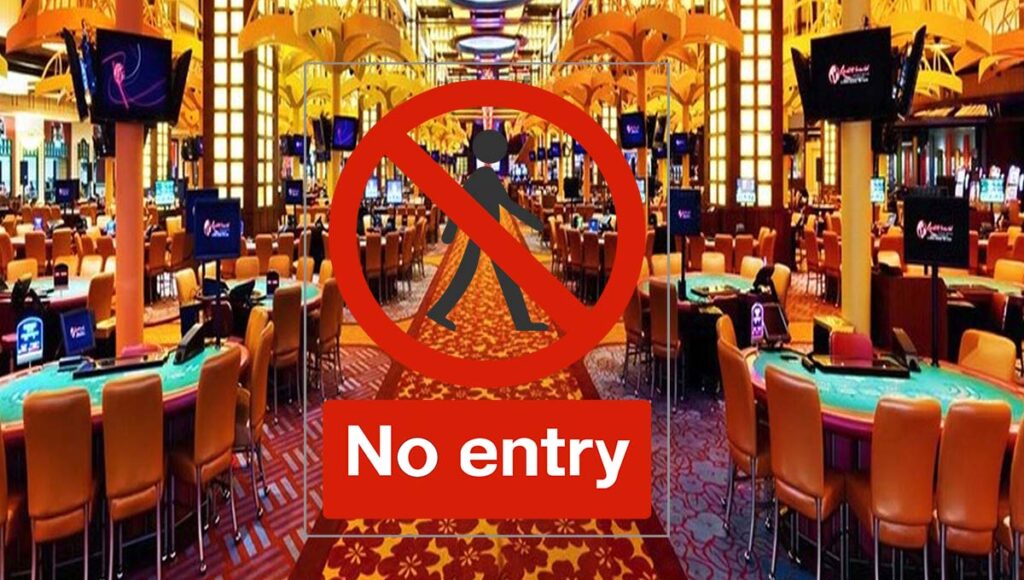
Why Do Some Players Seek Casinos Outside of National Self-Exclusion?
There are several reasons why individuals might gamble at casinos outside of their national self-exclusion programs:
- Desire for Control: Some players believe they can manage their gambling behavior better outside of regulated environments, thinking they can set their own limits.
- Increased Accessibility: Players with national exclusions may feel compelled to find alternative gambling locations that allow them to engage in gambling more freely.
- Curiosity and Temptation: The allure of gambling at different venues can sometimes outweigh the reasons for exclusion, pushing players to bypass their self-imposed restrictions.
- Availability of Bonuses and Promotions: Online casinos not bound by national regulations may offer attractive bonuses to attract players, making them more appealing than local options.
The Risks of Gambling Outside National Self-Exclusion
While the idea of gambling outside of self-exclusion may seem enticing, it is crucial to understand the associated risks:
- Risk of Relapse: Players who have identified their gambling as problematic may find it difficult to resist the temptation of gambling, leading to a potential relapse and exacerbating the issues they have previously faced.
- Lack of Support: Most self-exclusion programs provide access to support resources, including counseling and treatment options. Gambling outside of these systems may result in individuals losing access to these vital support networks.
- Financial Consequences: Engaging in gambling without proper safeguards may lead to severe financial difficulties, which can further impact mental health and relationships.
- Legal Issues: Depending on the jurisdiction, gambling in areas that do not comply with national regulations may have legal implications that could affect

individuals long-term.
Potential Benefits of Gambling Outside National Self-Exclusion
While there are significant risks involved, there can also be potential benefits to consider:
- Freedom of Choice: Players have the option to choose where and when they want to gamble without the limitations imposed by national self-exclusion programs.
- Variety in Gaming Options: Many international casinos offer unique gaming experiences that can provide entertainment beyond traditional gambling options.
- Improved Personal Accountability: Some players may discover that they can genuinely regulate their gambling habits and enjoy their experience without falling back into problematic behavior.
Alternative Solutions for Managing Gambling Behavior
If you or someone you know struggles with gambling but does not feel ready to engage with national self-exclusion programs, consider some alternative solutions:
- Set Personal Limits: Players can establish their own gambling limits regarding time and money and adhere to them, reducing impulsive behavior.
- Seek Support from Friends and Family: Surrounding oneself with supportive people can create a safety net and make it easier to resist the temptation to gamble.
- Professional Help: Therapy or counseling specializing in gambling addiction can provide valuable tools and strategies for recovery.
- Engage in Alternative Hobbies: Finding other interests and activities can divert attention away from gambling, helping individuals cope with triggers more effectively.
Conclusion
While gambling can be a form of entertainment, it is crucial for individuals to understand the implications of participating in activities outside of national self-exclusion programs. The temptation to gamble in unrestricted environments can lead to significant risks, including relapses, financial problems, and a lack of support. However, it is essential to recognize that there are alternatives for individuals who want to manage their gambling behavior responsibly. In the end, informed choices and mindfulness can empower players to enjoy gambling without allowing it to devolve into problematic behavior.