

Thankfully, using the nonprofit statement of cash flows can help you with sound decision-making. The nonprofit cash flow statement is a key component of GAAP compliance and financial decision-making. With an in-depth view of your organization’s liquidity, you can better plan for the future and build trust with stakeholders.
Pro Forma Income Statement Template
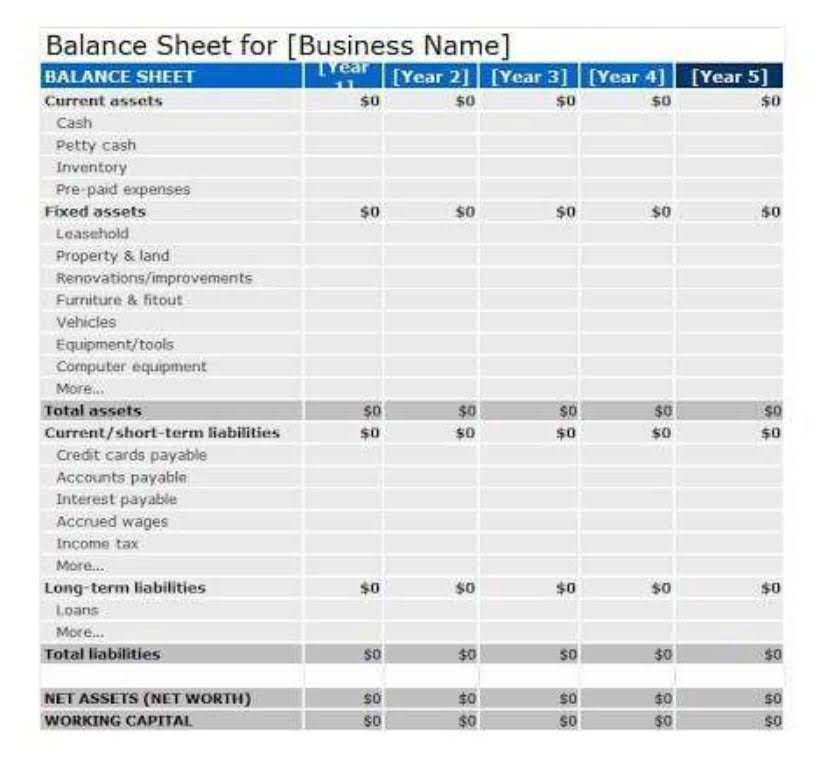
It requires curiosity, clear expectations, and an understanding of how daily financial activities connect to long-term organizational health. The lessons below are designed to help boards see where oversight matters most and how thoughtful governance can strengthen financial stability. This loan amortization template tracks loan payments by detailing principal, interest, and remaining balance over time. The template includes a structured payment schedule https://www.bookstime.com/ with monthly breakdowns, additional payment options, and loan summary details to help you manage debt repayment and plan finances effectively. Use this pro forma balance sheet to project your business’s financial position over five years. It includes asset, liability, and equity breakdowns, plus key ratios to assess financial health.

How it differs from other financial reports
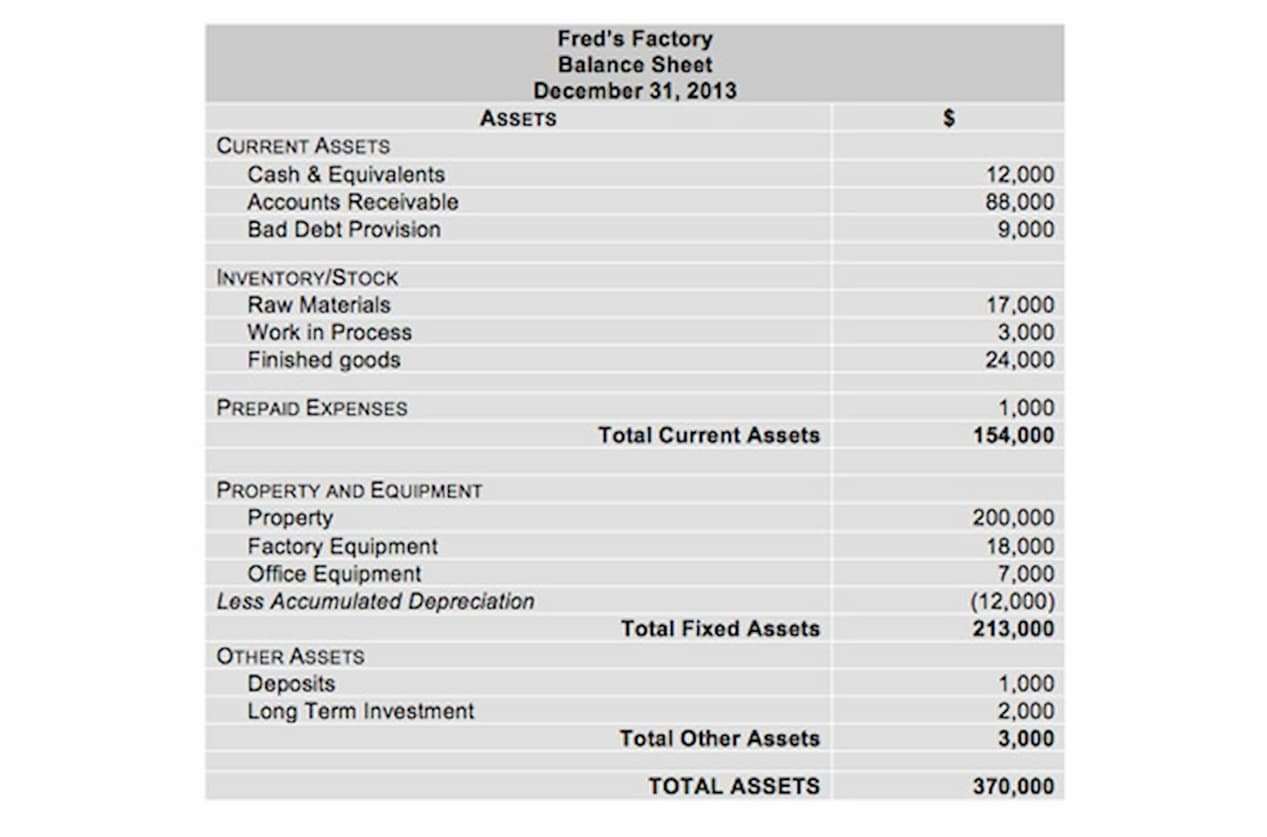
- Long-term liabilities are car loans and mortgages, whereas current liabilities cover accounts payable debt like salaries and immediate payments.
- On the other hand, if you only have positive investing cash flow from liquidating your investments or selling essential equipment to free up cash needed for basic operations, you may be heading toward insolvency.
- It not only showcases the cash positions resulting from critical fundraising activities and donations but also highlights how efficiently these funds are being utilized towards achieving the nonprofit’s mission.
- This insight is invaluable for ensuring long-term viability and for communicating financial health and strategy to board members, donors, and other stakeholders.
- Heliconia Scholarship Foundation shares a financial report with its donors instead of an annual report.
They show a temporary use of operating reserve funds to maintain the established minimum in the Ending Operating Cash Balance; they restored the borrowed cash to the reserve in April. This model also shows the transfer of restricted funds from savings to checking as the funds were released from restriction, partly in March and fully by May. This section also shows the cash impact of loan principal payments as well as a capital purchase planned for April. As we mentioned earlier, many nonprofits use these financial statements in their annual reports to show transparency and build trust in their organization. At times, supporters will give donations stipulating that they can only be used on a specific project or program. The net assets on your statement of financial position are where your organization must list these restrictions.
Examples of Strategic Decisions That Can Be Informed by the Cash Flow Statement
Restricted funds often come from donors who are deeply passionate about specific causes. As a result, this alignment between donor interests and program objectives can foster stronger, long-term relationships and lead to sustained support. Free cash flow and cash flow-to-debt ratios tell you quickly whether your organization is financially stable and ready for growth. Add this amount to your beginning cash balance to determine your ending cash position.

Why Nonprofit Cash Flow Analysis Is Essential to Your Mission
This can include things like cash from the sale of investments, cash from the purchase of investments, and cash from interest earned on investments. On the other hand, if you only have positive investing cash flow from liquidating your investments or selling essential equipment to free up cash needed for basic operations, you may be heading toward insolvency. You may also have positive cash flow from strategic asset sales or investment income, which can signify a healthy financial position. Set guidelines for creating financial statements with our Nonprofit Financial Reporting Policy Template.
- Committing to these practices will ensure greater financial oversight, promote transparency, and propel your organization towards sustainable success and impactful outcomes.
- It summarizes the data stored in your organization’s accounting system, making it easier to interpret.
- In addition to traditional fundraising methods, consider innovative approaches such as social enterprise initiatives or crowdfunding campaigns.
- One of the best ways to improve cash flow in a nonprofit is to strengthen recurring revenue and to help your donors understand how much of a positive impact recurring revenue has on your organization’s impact.
- This reconciliation confirms the integrity of the cash flow statement and ensures consistency with the balance sheet, providing transparency and trust in the financial reporting.
- The template includes sections for revenue, COGS, operating expenses, and net income calculations.
She is passionate about democratizing access to wealth-building tools and guiding mission-driven organizations toward long-term financial health. Infinite Giving offers transparent pricing and Debt to Asset Ratio low fees, and our financial experts use best-in-class, secure technology to provide organizations with the best cash management experience. Every nonprofit should have a reserve fund or rainy day fund that allows them to prepare for emergencies, unexpected challenges, and economic downturns. Aim to keep enough money in your reserve fund to cover about 6-12 months’ worth of your standard operating costs.
What’s Included in Financial Projections?
Smart nonprofits review their cash flow statements monthly to keep spending aligned with their annual budgets. You should check this report at least monthly to make sure you have enough cash for essential expenses like rent and payroll. Cash flows from operating activities include the inflows and outflows of cash related to a nonprofit’s day-to-day operations. The nonprofit statement of cash flows is an integral part of your financial management, and it’s recommended to compile and leverage it in your day-to-day work. By analyzing the nonprofit cash flow statement cash flow statement, not for profit organizations can identify areas where they can improve their financial management and make informed decisions about their operations. Nonprofit Quarterly discusses how cash inflow can be heavily concentrated during certain times of the year, such as during an annual fundraiser.
3 Financing
This document offers insight into the organization’s inflows and outflows, ensuring that operational sustainability is maintained. A nonprofit cash flow statement is a financial statement that shows the inflows and outflows of cash in a nonprofit organization over a specific period of time—usually a month, quarter, or year. The purpose of the cash flow statement is to provide information about the sources and uses of cash in the organization. This section of the cash flow statement thus plays a crucial role in showing how the nonprofit is stewarding its resources for future stability and growth. Noncash investing and financing activities that are unique to not-for-profit entities include contributions of (1) property and equipment, (2) beneficial interest in trusts and (3) marketable securities.